magnetictrading

Meet the Team: Vitalija Pukstiene

Magnetic Trading is known for its comprehensive component and spare parts provider services. But who is behind the scenes, ensuring all processes run smoothly? This time, Vitalija Pukstiene, Sales Support Lead, introduces her role intricacies and its evolution over the years.


How has your role at Magnetic Trading evolved over the years?

Vitalija: In 2017, I joined as a Sales Assistant with a particular task to complete: help arrange and organize orders for our bigger clients. Back then, we had three contracts, encompassing slide repairs and exchanges, repair management, and NDT for brakes. With time, the scope increased, so I assisted the entire Magnetic Trading sales team.


After some time, the former manager included me in the monthly results review; I had to understand this area as well. After some time, he included me in the audit; at that time, it was ISO. Since we did not have clear internal processes, I got this task. Once all these tasks were completed, the position was changed to Sales Process Supervisor. The scope remained the same, but I also had to supervise whether the transactions we carried out met the quality standards.


When Airina joined as the Head of Sales, my title changed to Sales Support Team Lead, leading a small team that now has a few more additional members. The role includes managing the whole support team, task delegation, ensuring smooth processes globally and their timelines, responding to the current procedures, among others. After the maternity break, the team has grown and diversified the work from overseeing US operations all the way to curating wheels and brakes product lines or engine material repairs.


Within your current role, what are your current responsibilities and primary focuses for 2025?

Vitalija: As for my current role, I ensure the quality of all transactions carried out by the entity, participate in audits, occasionally take on a larger deal, and review the department's stock balances and financial statements. Facilitating Quantum improvements or process overviews, including any necessary updates and adjustments. All this requires collaborating closely with the IT department.


In a nutshell, it could be split into two categories: managing financial information such as assets, inventory, Statements of Account (SOA), and vendors and addressing related inquiries. Then, adherence to quality procedures will be ensured, with monthly reviews of transactions to identify and rectify any deviations. We collaborate with the quality department often to ensure that our daily activities are aligned with all required procedures.


Moving forward, this year, I will be supporting the receival of ASA-100 accreditation for our Malaysian entity, updating the processes of the Magnetic Trading department, and syncing different data management software, among heaps of other things that will help our daily operations. 


In retrospect, what were some of the more significant challenges you had resolved and projects completed?

Vitalija: From the stock reallocation from Estonia to the US and setting proper processes there to participation in JPM (joint procedure manual) between MMRO Malaysia and service provider APACS, there is never a dull day at the Magnetic Trading department. One more fundamental project was having the chance to contribute to the original mapping of all processes because years ago, we did not have any.


What skills and qualities do one need to lead a sales support team?

Vitalija: I would say understanding of sales processes, technical skills (systems in use), patience (we are all very different), listening to the people (team members), and finding the best solution together with having a problem-solving mindset (courage, seeking and identifying the problem, have ideas how to solve them). 


What’s your favourite memory with your team?
Vitalija:  This is a tricky question, as dozens have accumulated by now. We’ve become like a family over the years. However, if I had to choose one or two, it would be a trip to Ignalina Nuclear Power Plant six years ago, which involved a fact-packed, enjoyable tour and some team bonding activities afterwards. Another one would be my current trip to Kuala Lumpur, having the chance to see such far-away places is always memorable.

Line Maintenance Behind the Scenes: Building a Winning Team for Tomorrow

In line maintenance, technicians work hard to keep aircraft engine components supply safe and airworthy between flights. With a network of 15 stations in the largest airports across Europe and Africa, our teams handle everything from scheduled inspections to AOG urgent technical fixes, ensuring planes depart again in top condition.


As they say, in our line of business, aircraft don't wait. Arrival and departure times are strict. The technical staff who maintain the aircraft work close together to meet tight deadlines. This creates a unique environment where technical skills and teamwork are equally important.


To understand what it takes to succeed in the line maintenance field and how Magnetic Line builds a team for tomorrow as an employer, we spoke with Amsterdam-based Ellen Koster, HR Manager at Magnetic Line. Below, she shares more details about the current market and how the company invests in its people.


Within the competitive market, skilled technicians hold the power

"The global shortage of aviation technicians is the number one topic for everybody in the line maintenance repair and overhaul business," Ellen explains. "To stay ahead, all employers are taking necessary measures, such as raising salaries, improving benefits, and stepping up their recruitment efforts. It's a candidate-driven market, where skilled professionals have more job security and more opportunities to grow."


Magnetic Line focuses on both attracting new talent and nurturing the people already in the team. "We invest in internal development," Ellen says. "For mechanics, we're working on a plan to combine practical work with achieving Part-66 modules. For experienced engineers, we offer type rating courses. In the past 3 years, our engineers have completed as many as 249 type-rating courses. 


There's also the much-welcomed opportunity to work at other stations across our network." This so-called "interstation relief" makes it possible for our staff to develop and grow further, connect and learn from colleagues on other stations, and dive into different cultures. Especially interstation relief in our African stations Zanzibar, Mombasa and Entebbe are very popular with our staff (not in the least because of the option to extend interstation relief with some well deserved holiday). We believe the possibilities for such an exchange will only grow in the future; last year alone, there were only around 30 employees supporting their colleagues at other stations. From short relief of a couple of days to longer relief of up to three weeks.


What does the company look for in an employee?

What does it take to be a great line maintenance technician? According to Ellen, it goes beyond technical skills. "Of course, people with technical expertise and practical experience are needed. But personality and passion matter equally so. Our business is divided into geographically separated stations that are more like individual teams. These teams work closely together, communication and cooperation are crucial. Skills can be learned, but your attitude and character are what make you a good fit with the Magnetic Line team and our company culture. There are so many options to develop yourself within the company. For instance, our current Amsterdam Station Maintenance Manager originally joined us as an intern more than 10 years ago. We are also very proud of our (for now, the only one) female Lead Engineer for Mombasa and Zanzibar, who joined in the role of mechanic. We always look for the potential in our employees and how we can develop this further."


"Looking at the skills needed in the future, digital tools for maintenance logs and logistics are becoming more common," Ellen notes. "We're seeing constant innovations, so technicians need to stay tech-savvy and committed to learning".


Why come work for us?

As part of Magnetic Line, our employees benefit from belonging to a larger organization while maintaining the personal touch of a smaller independent line maintenance business, "We prioritize work-life balance, competitive compensation, and career growth," Ellen says. "It's not just about getting the job done; it's about feeling valued and supported with having the freedom to make decisions."


Next to the stations in our network, we have a very supportive head office in Amsterdam, constantly cooperating with the busy stations. The head office team plays a crucial role in ensuring smooth operations and providing administrative, operational, and technical support to our stations.


The company recruitment process is designed to be as simple and human-centered as possible. "We've automated a lot of the administrative work so we can focus on what really matters - our people. If someone needs a tailored solution because of their personal circumstances, we work to make that happen."


Thinking of Applying? Here's What You Should Know

If you'd like to work in small, forward-thinking professional teams where you have both freedom and responsibility, Magnetic Line might be for you. For those who are considering a career with Magnetic Line, Ellen's advice is simple: "Check out our open positions and send in your application. We're looking for people who want to be part of a team, thrive in a dynamic environment, and aren't afraid to take responsibility. We'd love to have you on board if that sounds like you."

New chapter: Magnetic Group Opens New Office in Miami

Magnetic Group has recently opened a new office in Miami, Florida. This is a big step for the company, which started its business in the United States in early 2021. This expansion reflects the substantial growth achieved by the company in recent years.


Christian Mejia, Sales Director at Magnetic Trading, shared his excitement about the recent expansion in the region: “Looking back at the last two years, I’m amazed at how much we’ve grown. Lots of effort and dedication have been put in, but I can confidently say this is a testament to hard work -and it’s just the beginning.”


Airina Kacienaite-Krake, Head of Magnetic Trading, also expressed the delight about the recent growth of the company and says that the aim is to keep growing even further. “We’ve worked hard for two years since we first came to Miami. A lot of what we did might not have been seen by everyone, but it was all necessary to get us to this point,” she said.


The recently opened office includes a warehouse equipped with a diverse array of aircraft spare parts in its stockroom which is constantly expanding. This ready accessibility enables the company to promptly meet the needs of clients in the region. Furthermore, engine stands are also available at the facility and can be dispatched to clients from Miami as required.


READ MORE :- https://magnetictrading.co/service/assets/

Meet The Team: Sona Mirzayeva


Once the chapter in the IT industry was complete, Sona Mirzayeva, Training Coordinator at Magnetic Training, joined the sub-brand of Magnetic Group as she has always had a flair for aviation. Get to know Sonia’s background, day-to-today work, and what she loves doing in her free time.

How did you start your career journey with Magnetic Group?

Sona: I’ve always been curious about the aviation industry and its fast-paced, dynamic environment. However, until recently, I hadn’t had the chance to experience it firsthand. My professional journey began in the IT sector, where I focused on Project Management and QA engine material. I enjoyed working with people, managing projects, and seeing the results of my efforts.

After some time, though, I wanted to explore new opportunities and challenges. That’s when I came across an opening at Magnetic Training. The company’s strong reputation and positive culture immediately caught my attention. It felt like the perfect chance to transition into a field that combined my organizational skills with my interest in aviation, and that’s how my journey with Magnetic began.


What are your primary responsibilities? 

Sona: As a Training Coordinator, my primary responsibilities include organizing and managing training programs for our team. Over time, I’ve worked with various types of training, including specialized courses tailored to different aircraft landing gears models like the A320 and B737.

I make sure that all training sessions are well-planned, effective, and meet the needs of the staff. This involves coordinating schedules, ensuring that the right resources are available, and keeping the training content relevant and up-to-date.

My work focuses on helping others develop their skills and grow professionally, which I find very rewarding. It’s fulfilling to know that the training programs I organize contribute to both the individual success of team members and the overall goals of the organization.

What are the main challenges in your line of work?

Sona: The main challenge is coordinating schedules and making sure everything runs smoothly. Balancing the needs of different teams and ensuring everyone gets the intended training at the right time can be tricky, but it’s also what makes the job interesting.

What do you appreciate the most in your work?

Sona: I love helping others grow and learn. It’s very rewarding to see people improve their skills and become more confident after training. Knowing I can support their personal and professional growth makes me feel proud of what I do.

Another thing I value is that my job allows me to keep learning. Every project or task teaches me something new, whether it’s about new tools, fresh ideas, or better ways of doing things. This keeps my work exciting and helps me grow, too.

Overall, I feel proud knowing that my work makes a difference—whether it’s helping someone reach their goals or contributing to a strong, supportive workplace.

What hobbies do you have?

Sona: Besides my work, painting and cooking are some of the ways to express myself. I’m inspired by the peaceful beauty in Claude Monet’s paintings, such as Water LiliesImpression, and Sunrise. His use of light and color makes me see the world in a different way.

I also admire the work of Tahir Salahov, especially his painting To You, Humanity. As an Azerbaijani, his art feels close to my heart. This painting shows the strength and dignity of people, and it reminds me of the resilience and humanity we all share. His bold and powerful style always inspires me.

What’s your next destination? 

Italy is my favorite destination to travel to because of its rich history, culture, and delicious food. Also, Greece is on my go-to list, and I’m planning a trip there soon. It has beautiful landscapes, a rich history, and a vibrant culture. 

There are plenty of must-visit sights: the Parthenon, the Temple of Olympian Zeus, and the Ancient Agora. The islands like Santorini and Mykonos look incredible, too. And I’m also really excited to try food things like moussaka and souvlaki.


Magnetic Trading Achieves ASA-100 Certificate


After Magnetic Group launched its new office in Miami, Florida, last month, Magnetic Trading followed by receiving an ASA-100 certificate from the Aviation Suppliers Association. By obtaining the accreditation, Magnetic Trading ensures that its aircraft spare part distribution services adhere to relevant aviation industry regulations and standards based on the region in which they operate.

“After meeting the ASA-100 standard across our other branches, such as the sales office located in Lithuania and the stock in Estonia, it was time to strengthen our presence in the USA further and open a warehouse with its dedicated stock. All in an effort to continue meeting the needed high-quality standards, provide full-scope services, and serve our local clients even more efficiently,” shared Airina Kacienaite-Krake, Head of Magnetic Trading.

Christian Mejia, Sales Director at Magnetic Trading, emphasized: “This marks a significant achievement for Magnetic Trading in the USA. Our ability to swiftly establish these procedures and processes to guarantee quality and reliability showcases our dedication to our customers. Integrating our USA entity into ASA will support our regional growth and expansion. “

Magnetic Trading, a sub-brand of Magnetic Group, has been operating in the US since 2022 and offers comprehensive component and spare parts provider solutions. Becoming an ASA 100 member includes an accredited stock facility and quality assurance of standards, policies, processes, and audits. This ensures that all materials purchased and deployed into the aviation market meet the highest quality standards in all phases: purchasing, receiving, stocking, sales, and shipping.

Magnetic Leasing Acquires a CFM56-7B from New Trading Partner 3TOP Aviation Services

Recently, Magnetic Leasing, a sub-brand of Magnetic Group, closed a CFM56-7B engine deal. The deal includes rebuilding the engine at the Magnetic Engine's shop facilities in Tallinn, Estonia, before further commercial activities.

Filip Stanisic, Head of Magnetic Engines, stated: “Quick turn shop visits have become increasingly in demand for CFM56 engines, and utilizing our own shop capability allows us to simultaneously optimize and minimize the costs of repair as well as TAT, which are vital for asset owners.”

As for leasing, maximizing the synergies available on a group level is at the forefront of the business strategy. This means applying years of technical engine material knowledge and merging it with asset management expertise, allowing the team to enhance further the development of module swaps and engine product lines.

Chris Emechete, CEO at 3TOP, said: “We are delighted to now have Magnetic Leasing as a trusted partner. Having previously worked with the Magnetic Engine shop, I believe this transaction represents a further solidification of our strategic relationship with the Magnetic Group.”

“Having a trusting partner like 3TOP Aviation Services always makes the transaction process smooth and efficient; many thanks to Chris, Paul, and their whole team, and we look forward to transacting together more in the future,” added Alex Vella, CEO at Magnetic Leasing.

What does aircraft engine maintenance and repair involve?

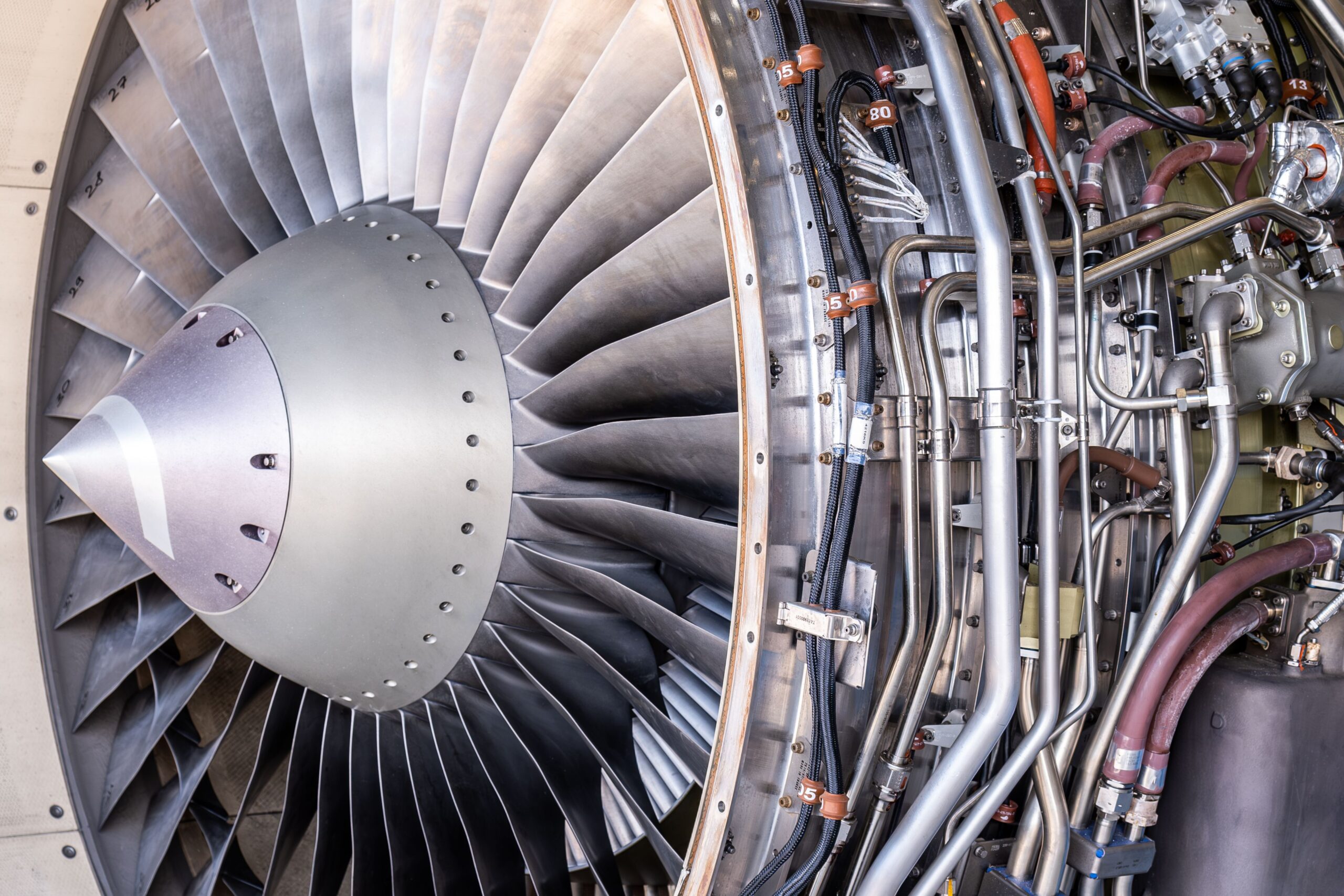
An aircraft engine is one of the parts of an aircraft that needs to be checked very often in order to ensure that an aircraft is ready to be in operation. An aircraft engine aircraft engine maintenance and repair is considered as a step by step process that allows the health check up on the engine. Aircraft engine maintenance involves different processes that include washing and drying engine parts, both interior and exterior care for designs, taking apart the engine, overhaul and renewal of any parts of engine that needs attention.


In addition engine maintenance offers testing of a fixed engine. Aircraft engine maintenance and repair could be considered services needed for the core part of an aircraft. There are several tools that aid professionals in maintenance and repair of an aircraft. In the course of cleaning and overhauls tools similar to custom aerospace baskets are used in the process.


There are multiple tools used during the process for example borescopes and cameras in the equipment for internal examinations. For this reason, maintaining engines in their best shape is of the utmost priority.


Like with most maintenance work, engines also have a range of services, from the engine trouble shooting to repair of individual assembly units and other work. Each step of the MRO process needs high quality products in order to keep up the quality of an engine.


A jet engine comprises of two parts:


  • Cold section


  • Hot section


Jet engines are most frequently used in the long commercial aviation world. The jet engines run by compressing burning air, they are powerful and offer more speed than other types of engines. As mentioned above jet engines comprises two sections; the cold section contains five parts; these include the intake, ducts, compressor, diffuser and drive shaft.


And the hot section has a combustion chamber, turbine, nozzle and exhaust. ItÕs no secret that engines are the most expensive aircraft items; the same goes for their parts.


Aircraft engines play a crucial role in upkeep of the aircraft, it is important to note that with advances in technology it has become an important aspect in driving global connections between countries.


At Magnetic Group, have an incredibly dedicated team of professionals and experts who will be able to provide anyone with all the needed assistance in order for jet engines to be appropriately looked after and take the right course of action regarding aircraft landing gears.

How important are engine materials in the aviation industry?

The aircraft industry is very complex and challenging, it needs a more advanced type of care for the assets. The challenging nature of the industry can be seen in quality reviews as well as in terms of brand-new developments. It is very important for the manufacturers to be able to match the developments of an industry. The aircraft engine components supply are a very important part of the aviation industry. The reason for this is that the engine material is thought to be considered an incredibly crucial part of the process regarding the composition of an aircraft engine.


It is important to be very aware that aircraft engines are required to meet extremely important and demanding requirements. These requirements play an important role in making sure that the aircraft is fully developed. The process of recent developments has shown that civil aircraft engines are oriented to achieve certain goals. Objectives that they are incredibly focused on are weight reduction and higher efficiency.


There are a good amount of similar improvements regarding the engine that would have a significant impact on the future. The improvements are particularly mentioned because of the development of structural engine materials that are necessary such as heat-resistant alloys, and a perspective to create further advancements regarding the aspects of design and manufacturing.


Certain aspects are a requirement for a completely developed aircraft engine. In general, a well-developed aircraft engine consists of the following parts:


  • An air intake
  • A compressor or a fan
  • A combustor or combustion chamber
  • A turbine
  • An exhaust nozzle
 
Image for post

In the aircraft industry, there are multiple metals that the engine material consists of including iron, lead, and tin, these metals are all combined to bring out various and different properties of an maintenance repair and overhaul. In the industry, there are quite a few different and interesting trends regarding the engines.


One of the trends tends to be a statement to have lightweight materials as a priority, and there has been a decrease in the ratio of steel used. Nevertheless, the principal aspect of aircraft production depends on the base of iron base alloys, for example, structural steels, stainless steels, iron base sintered metals, and there are different parts for pistons, cylinder heads, and a cylinder block which include cast iron and aluminum alloy parts.


Magnetic Trading entirely focuses on distilling and procuring materials to meet the airline and engine demands of MRO, and it especially is focused on CFM56 family and V2500-A5 engines, as well as their components.

What is aircraft asset management?

Aircraft asset management aims to comprehend the real value of an asset that includes aircraft and engines. wheels and brakes maintenance is a systematic way of managing the parts, services, and resources related to one or a portfolio of aircraft over their usable life cycle. The process starts with acquisition and extends to the last disposition. It is often structured into a program that clearly identifies the needs and is based on certain aircraft asset owner requirements. This action is vital particularly when it comes to sustainability view.


...


There is a term commercial aircraft asset management that means when an aircraft is used by many people many times and you have to manage it by order of investors. In short, you have to manage the aircraft so the investment made can be returned to the investors and the commercial aircraft could experience minimal losses.

 In aircraft asset management you mainly report about events such as payments, the status of aircraft performance, how many hours has an aircraft operated and how many cycles was performed by an aircraft. Understanding how the aircraft is performing and its state is crucial for the correct asset management.

Aircraft asset management consists of:

  • Evaluation
  • Acquisition
  • Financing
  • Through-life management

...


Every operator has specific requirements, so a program needs to be customised to fit the owner of the aircraft. Aircrafts are extremely interesting and complex assets. Managing a commercial aircraft requires a lot of resources throughout its lifetime, so it is airworthy and well-kept.

 The purpose of spare parts provider asset management programs is to increase aircraft permanence and optimise costs to the owner, among others. Magnetic Trading offers a specially-made Total Asset Management Program, ensuring a smooth maintenance process and full-scope operations, from advanced asset evaluation to serviceable unit instalment. It offers services from the acquisition of an asset to the disposition of it.


The asset management services for magnetic trading are one of the lead services. Services of magnetic trading involve removal and installation, BSI and visual inspections, repairs and overhauls, lease and spare units availability, outright sales and exchanges, technical data and historical records evaluation, available spare parts fixing, logistics and transportation services, customised asset-based finance solutions as well as many other services that contribute to the betterment of an aircraft.

Even when an aircraft is maintained for a very long time and the parts are refurbished and replaced it is still an asset that holds a major value, this can be obtained with the correct care and maintenance of an aircraft.

What do maintenance, repair, and overhaul mean in aviation?

The aviation industry is extremely complex and challenging, many times there could appear multiple issues regarding an aircraft, if these issues appear the aircraft must be inspected immediately.


There are multiple aspects in the aviation industry that need to be taken care of. Over time an asset starts to need services that make its life cycle longer these services include maintenance, repair and overhaul. It is important to note that these services need to be done extremely well by professionals. The aircraft engine maintenance and repair, and overhaul mean understanding and evaluating the requirements of an asset in order for it to function properly while in operation. It is important for maintenance, repair, and overhaul to be done in a quality manner and according to international standards.


Maintenance, repair, and overhaul are an important part of the aviation industry. The differences between maintenance, repair, and overhaul are very significant. When referring to aircraft, maintenance, repair, and overhaul are incredibly important and integral parts of maintaining an aircraft's healthy and overall condition. The terms are very different from each other because of many reasons. Maintenance is aiming to keep an  aircraft in a healthy operational state through continued routine and ongoing standard inspections, as well as includes taking care of less significant components that need to be replaced. Repair is eager to target important and specific issues that occur unexpectedly, whereas, for example, overhauls tend to encompass rebuilding the important components or certain systems in order to prolong their operation and utilization of resources.


In the aviation industry, the three terms mentioned above maintenance, repair, and overhaul are often used in a three-letter acronym: MRO. All three types refer to specific-purpose inspection or service processes related to an aircraft:


  • Maintenance
  • Repair 
  • Overhaul


An MRO is also considered a strong aircraft spare part maintenance facility,  very competent to complete and interpret different types of aircraft maintenance and inspections. As aviation is a highly regulated and a avery complex industry, the same applies to aircraft maintenance, as only a certified entity is fully able to operate as an MRO, and only a certified entity is able to perform maintenance, repair, and overhaul of an aircraft. Magnetic MRO serves as a prime example, as the Estonian-based company offers lots of different angles of aircraft based maintenance, painting, structural repair, and an amplitude of other services.