ExcelTrainingHub

Efficient Ecommerce Management Tips for Small Brands in 2025

In 2025, small ecommerce brands must prioritize efficiency to compete in a fast-moving digital market. One of the most effective efficient ecommerce management tips is to simplify your tech stack. Instead of juggling multiple tools, choose an all-in-one ecommerce platform that integrates inventory, sales, marketing, and customer service. Platforms like Shopify, Wix, or Squarespace now offer built-in automation and AI-powered features that help streamline product listings, automate email flows, and provide real-time insights — all without the need for a dedicated tech team.

Another key strategy is to use smart inventory management practices. Implement tools that automatically sync stock levels across sales channels, send alerts when inventory is low, and forecast demand based on historical data. This not only reduces the risk of overselling but also ensures better supplier communication and customer satisfaction. Many small brands also benefit from dropshipping or partnering with fulfillment centers to offload storage and shipping, saving time and cutting operational costs. These efficient ecommerce management tips allow businesses to focus more on growth than on daily logistics.

Lastly, time-saving content and customer service hacks are essential. Create reusable templates for product descriptions, FAQs, and customer emails to keep messaging consistent and reduce repetitive work. Set up chatbots or AI assistants to handle common queries instantly, improving customer experience even when your team is small. Use social media scheduling tools and UGC (user-generated content) to maintain an active online presence with minimal effort. By embracing these modern, lightweight solutions, small businesses can streamline operations and stay competitive in 2025’s demanding ecommerce environment.

Comparing the Best Email Marketing Tools for SaaS Companies: Automation and Analytics at the Core

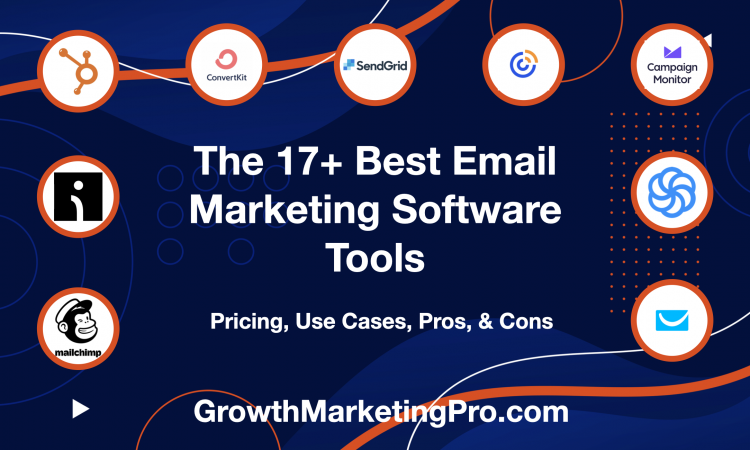
For SaaS companies aiming to scale and retain customers, choosing the right email platform can make all the difference. The best email marketing tools for SaaS offer powerful automation features tailored for user onboarding, lifecycle marketing, and re-engagement campaigns. Tools like ActiveCampaign, HubSpot, and Customer.io stand out in 2025 for their ability to deliver behavior-based triggers, in-app messaging, and seamless CRM integration. ActiveCampaign, for instance, offers visual automation builders and conditional logic, making it easy to design personalized workflows for trial users or paying customers. HubSpot remains a favorite for SaaS teams needing a unified marketing and sales solution, offering robust lead scoring and pipeline tracking tied directly to email campaigns. Meanwhile, Customer.io excels with granular event-based messaging ideal for product updates or feature announcements based on real-time user behavior.

Beyond automation, analytics features are just as vital for SaaS teams to refine and scale campaigns. The best email marketing tools for SaaS deliver real-time insights into open rates, click-throughs, and user retention, often with cohort analysis and A/B testing built in. Mailchimp and ConvertKit, for example, offer intuitive dashboards and actionable reports that allow teams to optimize campaigns based on subscriber behavior. SaaS-specific metrics—like churn prediction, feature usage trends, and product adoption tied to email engagement—are increasingly supported through integrations with tools like Segment and Mixpanel. These insights help teams adjust communication strategies, improve onboarding flows, and boost long-term retention. In 2025, SaaS companies that invest in intelligent email platforms not only streamline their outreach but also gain the data clarity needed to make informed, growth-driven decisions.

https://www.keepandshare.com/discuss4/22331/best-email-marketing-tools

https://www.bricklink.com/aboutMe.asp?u=Tipsforemail

https://www.city.fi/blogit/inkwave/email+marketing+templates+2025/139590

https://zenwriting.net/inkwave/showcase-of-high-converting-email-marketing-templates-2025-with-customization

Automate email campaigns now

To automate email campaigns now, start by choosing a reliable email marketing platform such as Mailchimp, ActiveCampaign, or Klaviyo. These tools offer user-friendly interfaces and powerful automation features suitable for both beginners and advanced marketers. Begin by importing or building your email list, making sure it's segmented based on user behavior, interests, or past purchases. Next, create automation workflows for different types of campaigns—such as welcome emails, abandoned cart reminders, post-purchase follow-ups, and re-engagement sequences. These workflows are typically built using visual editors where you can set triggers (e.g., a user signs up or makes a purchase) and define the email sequence that follows. Most platforms also offer pre-designed templates to speed up the process.

After setup, focus on optimizing your content and design for clarity, engagement, and mobile responsiveness. Craft subject lines that grab attention and ensure your message matches the audience segment you're targeting. Test different campaign types like drip emails, promotional blasts, or behavioral-based messaging to see what drives the most engagement. Always A/B test subject lines, CTAs, and visuals for continuous improvement. Monitor performance metrics such as open rates, click-through rates, and conversions to refine your approach. With the right tools and strategy, businesses can automate email campaigns now to save time, stay consistent, and build stronger customer relationships at scale.

Related Articles

Digitalmarketing25's Wallpaper Gallery on Wallhaven
Black Friday Email Tips 2025 – Metooo Event
Digitalm's Profile on BrickLink
Boosting Customer Satisfaction with Modern Support Tools – ZenWriting Article

Beginner’s Guide to Getting Started with the Best Affiliate Programs

Affiliate marketing is one of the most beginner-friendly ways to earn income online without having to create your own product. With the best affiliate programs for beginners, you can start promoting products or services through a unique referral link and earn a commission for every sale or lead you generate. The first step is to understand how affiliate marketing works and then choose the right niche that fits both your interests and has market potential.

When selecting a niche, consider topics you’re passionate about and that have a large, active audience. Popular beginner-friendly niches include health and fitness, beauty and skincare, personal finance, tech gadgets, and online education. These areas offer countless products you can promote through trusted platforms like Amazon Associates, ShareASale, CJ Affiliate, and ClickBank. These programs are well-known for their ease of use, comprehensive dashboards, and wide selection of brands—making them some of the best affiliate programs for beginners.

Once you’ve chosen your niche, the next step is setting up your platform. Most beginners create a simple blog or website using tools like WordPress or start a social media channel on platforms such as Instagram, YouTube, or TikTok. Your goal is to produce useful, engaging content—product reviews, how-to guides, or comparison posts—that naturally includes your affiliate links. Focus on solving problems or answering common questions in your niche, which builds trust and encourages clicks.

Finally, promote your content consistently and track your performance. Use basic SEO techniques, share content across social platforms, and grow an email list to reach more potential buyers. Be patient and test different strategies—success doesn’t happen overnight, but with consistency, affiliate marketing can become a steady source of income. By starting with the best affiliate programs for beginners, staying focused on your niche, and creating value-driven content, you’ll be well on your way to building a rewarding online business.

What the Email Marketing Statistics 2025 Tell Us About the Future of Engagement

The latest email marketing statistics 2025 highlight a dramatic shift in how brands connect with their audiences. Recent reports show that email marketing continues to deliver one of the highest returns on investment, with an average ROI of $48 for every $1 spent. Interestingly, engagement rates have soared among Gen Z and Millennial audiences, with open rates increasing by 9% compared to 2024. This suggests that younger audiences, once thought to favor social media, are now valuing the direct and personal nature of email communication more than ever before.

A closer look at email marketing statistics 2025 also shows a surge in the effectiveness of AI-driven campaigns. Personalized subject lines, dynamic content based on user behavior, and automated send times have become the new standards, improving click-through rates by nearly 35%. Interactive email content, like embedded videos and real-time countdown timers, is now a major factor in boosting engagement, proving that modern audiences expect a richer, more dynamic inbox experience. Mobile responsiveness remains crucial too, with 81% of users opening emails primarily on their smartphones.

Another trend revealed by email marketing statistics 2025 is the growing importance of data security and transparency. Over 65% of consumers say they are more likely to engage with brands that openly share how their data is collected and used. New privacy regulations and customer expectations are forcing marketers to focus not just on personalization, but on ethical marketing practices. Authentic communication and building trust are now seen as equally important as creative campaigns.

In summary, email marketing statistics 2025 clearly show that the future of engagement relies on personalization, innovation, and transparency. Brands willing to invest in smarter technology, interactive content, and honest communication will lead the way. As email marketing evolves, it proves once again that it’s not just surviving in the digital age—it’s thriving.

Keep Reading:

Beginner's Guide to Email Marketing Newsletters

Email Marketing Insights on Blogger

Discover Email Marketing Strategies on Bricklink

Future of Email Marketing Engagement: 2025 Statistics

ExcelTrainingHub.com: Simplified Financial Planning

Financial planning becomes effortless with ExcelTrainingHub.com’s lessons on creating budgets, tracking expenses, and forecasting. These courses are ideal for both individuals and small business owners looking to manage their finances effectively.

The platform’s easy-to-follow tutorials and ready-to-use templates simplify the entire process. Discover financial planning made easy by visiting ExcelTrainingHub.com.

Website: exceltraininghub.com

Keywords: #ExcelTutorialsForBeginners, #AdvancedExcelTraining, #LearnExcelOnline

Eterna Game Profile
Pastelink
Rentry – Excel Training Hub
HeroesFire – Excel Training Hub