Individual connection in marketing
Creating a strong individual connection in marketing has become more crucial than ever in the digital age. With inboxes flooded and feeds constantly scrolling, businesses must go beyond generic campaigns and start crafting experiences that feel personal. This is where segmentation and storytelling come into play. By dividing your audience based on interests, behavior, demographics, and engagement levels, you can tailor content that resonates deeply with each group. When people feel like your message speaks directly to them, their chances of engaging—and converting—skyrocket.
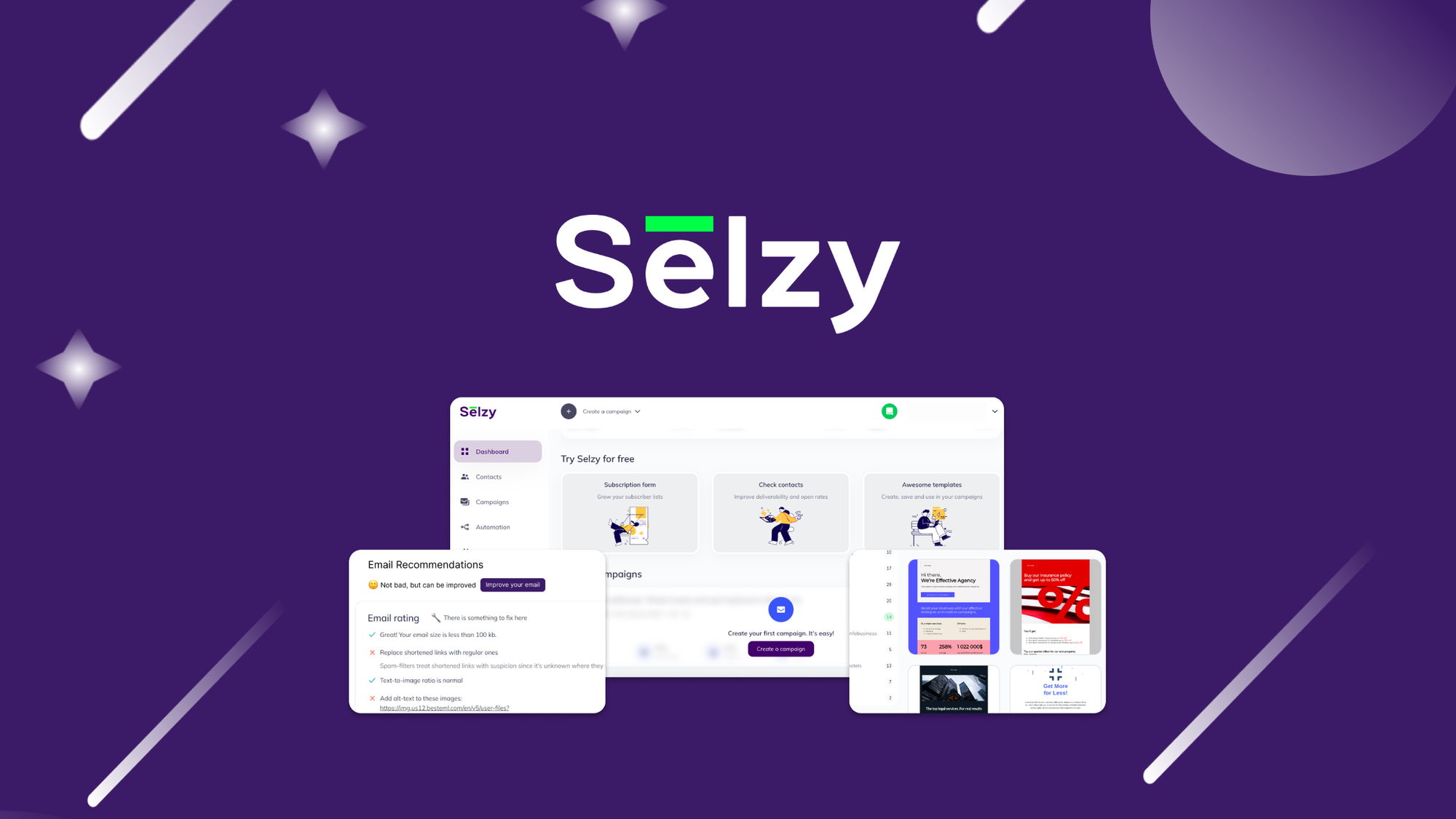
Segmentation is more than just a data strategy; it’s the foundation for building personalized relationships at scale. For example, instead of sending the same welcome email to all new subscribers, you can create different versions depending on how they signed up—whether from a blog, a product page, or a webinar. This small change reflects an understanding of their journey and enhances trust. Segmenting by purchase history, email engagement, or location also enables marketers to deliver more relevant, timely offers, making the customer feel seen rather than targeted.
Once you’ve segmented your list, storytelling helps bring the message to life. Stories humanize brands and turn cold data into warm, relatable content. Sharing customer success stories, behind-the-scenes glimpses, or founder journeys makes your brand more approachable. A well-told story taps into emotions, triggers memories, and builds loyalty. When done right, storytelling doesn't just inform—it inspires action, nurturing that sense of belonging and value in your audience.
Combining segmentation with storytelling leads to marketing that feels like a conversation, not a broadcast. You’re no longer just sending emails or running ads—you’re engaging in meaningful, personal communication. This is the heart of building an individual connection in marketing. As consumers grow more selective about which brands they trust, this approach sets you apart. It’s not about shouting louder—it’s about speaking smarter, and speaking to one person at a time, even if you're addressing thousands.